
Soya Lecithin Liquid: Benefits and Uses
Introduction
If you’ve ever checked the ingredients on chocolate, baked goods, or even skincare products, chances are you’ve spotted soya lecithin. But what exactly is it, and why do so many industries use it? Soya lecithin liquid is a natural emulsifier extracted from soybeans. It keeps oil and water-based ingredients mixed, improves texture, and extends shelf life.
But it’s not just about food manufacturing—this versatile ingredient offers health benefits, works wonders in cosmetics, and even supports pharmaceuticals. In this blog, we’ll explore everything you need to know about soya lecithin liquid, including its composition, health perks, daily uses, and buying tips.
What is Soya Lecithin Liquid?
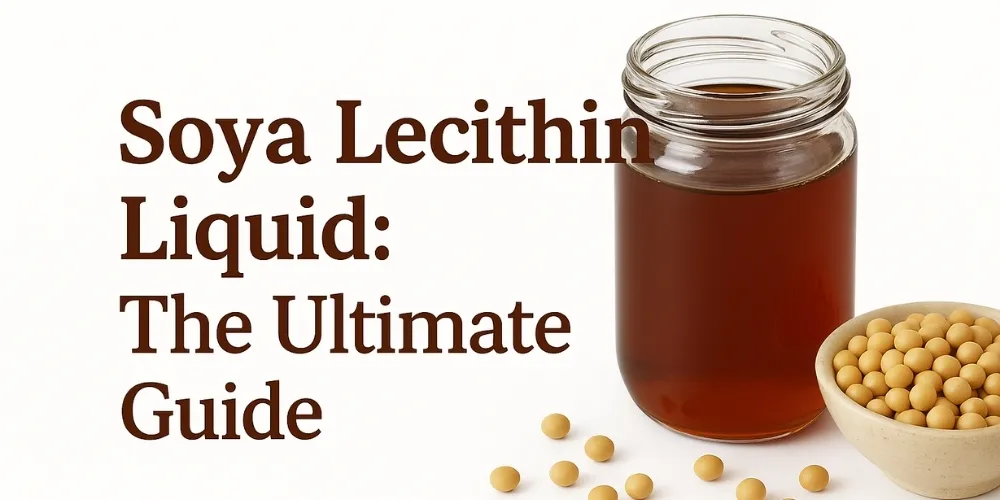
Soya lecithin is a by-product of soybean oil production. It’s rich in phospholipids—essential fatty substances that help build and maintain healthy cell membranes. In its liquid form, lecithin is thick, golden-brown, and syrupy. Compared to powders or granules, the liquid dissolves more easily, making it popular in cooking, cosmetics, and supplements.
The key advantage of the liquid form is its high bioavailability—meaning your body can absorb and use its nutrients more effectively. This makes it particularly valuable in health and wellness applications.
Nutritional Profile of Soya Lecithin Liquid
Soya lecithin liquid is not just a functional ingredient; it’s also nutritionally rich. Its main components include:
-
Phosphatidylcholine – Supports brain and liver health
-
Phosphatidylinositol – Important for cell communication
-
Phosphatidylethanolamine – Maintains healthy cell membranes
-
Choline – Prevents fatty liver disease and boosts memory
-
Essential fatty acids – Improve heart and cholesterol health
This nutrient combination explains why lecithin is often labeled as a functional food ingredient—it provides both culinary and health benefits.
Health Benefits of Soya Lecithin Liquid
1. Brain and Memory Support
One of the biggest benefits of soya lecithin comes from its choline and phosphatidylcholine content. These nutrients are precursors to acetylcholine, a neurotransmitter vital for learning and memory. Regular use of lecithin may improve cognitive performance and help prevent age-related decline.
2. Liver Health
Lecithin supports fat metabolism in the liver. It prevents fat accumulation, which reduces the risk of conditions like non-alcoholic fatty liver disease (NAFLD).
3. Cholesterol Management
Studies suggest that lecithin lowers LDL (bad cholesterol) and increases HDL (good cholesterol), making it a natural ally for heart health.
4. Digestive Health
Lecithin emulsifies fats in the digestive system, making them easier to break down. It may also strengthen the gut lining, offering relief for people with ulcerative colitis.
In short, adding soya lecithin liquid to your routine could benefit your brain, heart, liver, and digestion.
Culinary Uses of Soya Lecithin Liquid
One of the most common uses of soya lecithin liquid is in the food industry. Its emulsifying power makes it a go-to ingredient for chefs and manufacturers alike.
-
Chocolates & Candy: Lecithin reduces thickness, creating smoother, melt-in-your-mouth textures.
-
Baking: Improves dough elasticity, enhances texture, and keeps bread softer for longer.
-
Sauces & Dressings: Prevents separation, keeping mixtures stable.
-
Dairy & Beverages: Keeps ingredients blended in soy milk, protein shakes, and cream-based drinks.
Best of all, soya lecithin liquid doesn’t alter the flavor of your dishes—it simply improves consistency and stability.
Cosmetic and Pharmaceutical Uses
Beyond the kitchen, soya lecithin plays a huge role in cosmetics and medicine.
Skincare Benefits
-
Acts as a natural moisturizer, repairing the skin barrier
-
Enhances absorption of active ingredients in creams and lotions
-
Used in anti-aging products, lip balms, and hair care for nourishment
Pharmaceutical Applications
-
Improves drug delivery by enhancing solubility and absorption
-
Used in capsules and supplements as a concentrated source of choline and phospholipids
Its ability to blend oil and water makes it ideal for creams, serums, and ointments.
Liquid vs. Powder vs. Granule Lecithin
You’ll find lecithin in three main forms:
-
Liquid Lecithin: Best for food manufacturing, skincare, and supplements due to its strong emulsifying power.
-
Powdered Lecithin: Longer shelf life, convenient for baking and supplement capsules.
-
Granules: Easy to sprinkle on cereals or smoothies for daily health benefits.
If you want versatility and higher potency, liquid lecithin is the best choice.
Conclusion
Soya lecithin liquid may not get much attention, but it’s an ingredient that touches almost every aspect of our lives—food, health, cosmetics, and medicine. Its ability to emulsify, nourish, and support health makes it truly unique. Whether you’re looking to improve your cooking, boost your brain and liver health, or upgrade your skincare routine, lecithin deserves a place in your daily life.
